- Company
- D.O.M. & Instituto ATÁ
- Role
- Founder & Chef
- Est. Net Worth
- $3 Million (Est.)
- Stage
- Emerging
- Industry
- Hospitality
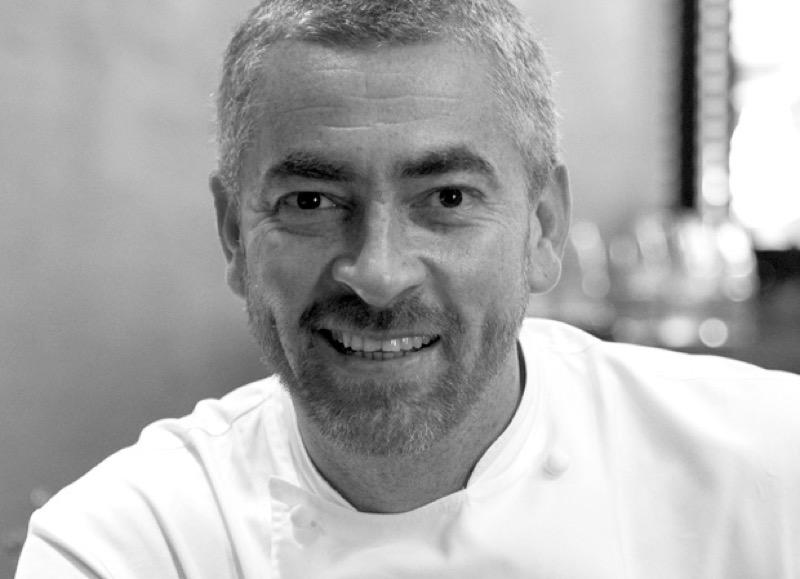
Alex Atala
Founder & Chef at D.O.M. & Instituto ATÁ
About
Alex Atala is a Brazilian chef who founded D.O.M. in São Paulo, which became one of the most acclaimed restaurants in the world by showcasing indigenous Brazilian ingredients and Amazonian biodiversity in fine dining. He also founded Instituto ATÁ, a nonprofit working to connect indigenous food producers with urban markets and preserve traditional food cultures across Brazil.
Current Company
D.O.M. & Instituto ATÁ — Founder & Chef
Bringing the Amazon to Fine Dining
Alex Atala opened D.O.M. in São Paulo in 1999 with a radical premise: Brazilian cuisine — and specifically the ingredients of the Amazon rainforest and indigenous food traditions — deserved a place alongside French and Japanese cooking at the highest levels of gastronomy. He introduced ingredients like tucupi (a fermented cassava liquid), jambu (a numbing Amazonian herb), and priprioca (an aromatic root) to fine dining audiences worldwide.
D.O.M. rose to become one of the most acclaimed restaurants in the world, reaching as high as fourth on The World's 50 Best Restaurants list. Atala's cooking proved that Brazilian ingredients could produce dishes of extraordinary sophistication and complexity, challenging the European-centric assumptions that had long dominated high-end gastronomy.
Connecting Indigenous Producers to Urban Markets
Beyond the restaurant, Alex Atala founded Instituto ATÁ, a nonprofit dedicated to creating sustainable economic links between indigenous food producers in the Amazon and urban markets in Brazil. The institute works to ensure that the communities who cultivate and preserve traditional ingredients benefit economically from the growing global interest in Brazilian biodiversity.
Atala's work sits at the intersection of gastronomy, environmentalism, and social justice. By elevating indigenous ingredients in the world's top restaurants and building supply chains that benefit rural producers, he has created a model for how fine dining can drive both cultural preservation and economic development in some of the world's most ecologically important regions.