- Company
- Bizarre Foods / Lucky Cricket
- Role
- Chef, Writer & TV Host
- Est. Net Worth
- $5 Million (Est.)
- Stage
- Emerging
- Industry
- Hospitality
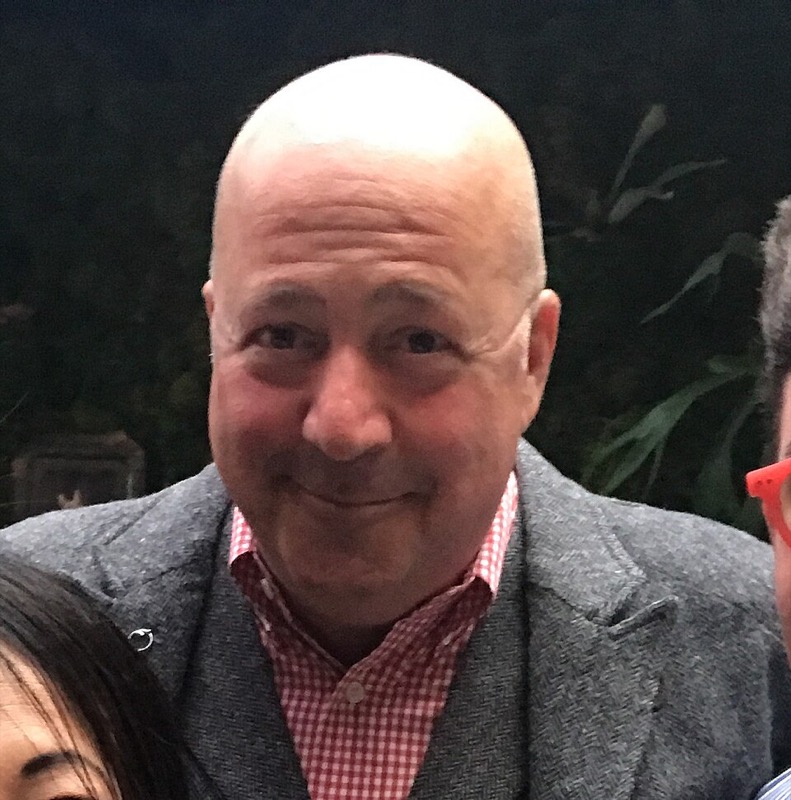
Andrew Zimmern
Chef, Writer & TV Host at Bizarre Foods / Lucky Cricket
About
Andrew Zimmern became one of America's most adventurous food personalities through 'Bizarre Foods with Andrew Zimmern,' a Travel Channel series that ran for 11 seasons and took him to over 170 countries to explore the culinary traditions that most Western audiences had never encountered. A four-time James Beard Award winner, Zimmern's approach treats unfamiliar food cultures with genuine respect and curiosity rather than spectacle — a philosophy that made him an important voice against culinary xenophobia. He is also an outspoken advocate for food justice and has spoken publicly about his own recovery from addiction and homelessness, using his platform to raise awareness about substance abuse and food insecurity in America.
Current Company
Bizarre Foods / Lucky Cricket — Chef, Writer & TV Host
The Adventurous Eater Who Changed How America Sees Food
Andrew Zimmern's 'Bizarre Foods' franchise — which ran for 11 seasons on the Travel Channel and visited over 170 countries — did something that no cooking show had done before: it asked American audiences to reconsider their assumptions about what is and isn't edible. By eating fermented shark in Iceland, balut in the Philippines, and live octopus in South Korea with the same enthusiasm he brought to a Midwestern hot dish, Zimmern challenged the ethnocentrism that shapes Western attitudes toward unfamiliar cuisines. His refusal to treat foreign food as spectacle or dare — his genuine curiosity about the cultural context behind every dish — made 'Bizarre Foods' an exercise in cross-cultural understanding disguised as entertainment.
Zimmern's four James Beard Awards reflect the food establishment's recognition that his work is serious culinary journalism, not stunt eating. His writing and broadcasting have consistently argued that the foods Americans consider 'bizarre' are, for billions of people around the world, simply dinner — and that the real bizarreness lies in a culture that processes its food into unrecognizable industrial products while mocking the traditions that produce genuine, honest nutrition. This argument has become more relevant as American food culture has grown more diverse, and Zimmern's early work helped create the intellectual framework for that shift.
Recovery, Advocacy, and Second Acts
The most remarkable chapter of Zimmern's story may be the one that preceded his television career. Before becoming a food personality, Zimmern struggled with severe alcohol and drug addiction that left him homeless and living in abandoned buildings in New York City. He got sober in 1992 and rebuilt his life through the restaurant industry, eventually becoming a chef and food writer in Minneapolis. He has spoken publicly and frequently about his addiction, using his platform to challenge the stigma that prevents people from seeking help and to advocate for recovery services and mental health resources.
His openness about addiction gives his advocacy work an authenticity that celebrity endorsements typically lack. Zimmern has raised millions for food-insecurity programs, served on the boards of organizations fighting hunger in America, and used his media presence to highlight the connection between poverty, food access, and health outcomes. His restaurant venture Lucky Cricket, though short-lived, reflected his commitment to making Asian cuisines accessible to mainstream American audiences without the cultural dilution that typically accompanies that crossover. Zimmern's career demonstrates that food media can be a vehicle for genuine social impact — not just entertainment, but education, advocacy, and the slow work of expanding a culture's definition of what belongs on the table.