- Company
- Brother Vellies / Fifteen Percent Pledge
- Role
- Founder & Creative Director
- Est. Net Worth
- $3 Million (Est.)
- Stage
- Emerging
- Industry
- Retail
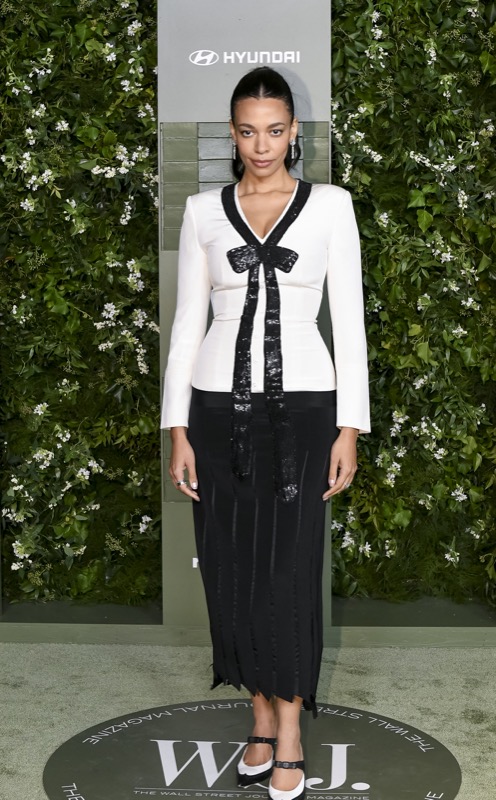
Aurora James
Founder & Creative Director at Brother Vellies / Fifteen Percent Pledge
About
Aurora James is a Canadian-born fashion designer and activist who has built two organizations that are reshaping the relationship between commerce and racial equity in America. Brother Vellies, her luxury accessories brand founded in 2013, creates handcrafted shoes, bags, and jewelry using traditional African artisan techniques — preserving craft traditions that were disappearing while providing sustainable employment to artisans across the continent. The Fifteen Percent Pledge, which James launched in 2020, calls on major retailers to commit 15 percent of their shelf space to Black-owned businesses — reflecting the fact that Black Americans make up approximately 15 percent of the U.S. population. The pledge has been adopted by Sephora, Macy's, Nordstrom, and other major retailers, resulting in hundreds of millions of dollars in revenue flowing to Black-owned brands. James's CFDA/Vogue Fashion Fund award and her TIME 100 inclusion reflect her unusual dual influence as both a designer and an economic justice advocate.
Current Company
Brother Vellies / Fifteen Percent Pledge — Founder & Creative Director
Luxury, Craft, and the Reinvention of African Design
Aurora James founded Brother Vellies in 2013 with a mission that most fashion industry veterans considered commercially unviable: creating a luxury accessories brand built entirely around traditional African artisan techniques, produced by craftspeople in South Africa, Kenya, Morocco, and Ethiopia. The brand's products — handcrafted shoes, bags, and jewelry featuring techniques like Kenyan beading, South African leather working, and Moroccan babouche construction — challenged the fashion industry's assumption that 'African' and 'luxury' were incompatible concepts. James argued that the craftsmanship traditions of the continent were not primitive precursors to modern manufacturing but sophisticated techniques developed over centuries that could compete at the highest levels of global fashion.
Brother Vellies' commercial success validated James's thesis and created a model for how fashion brands can preserve artisan traditions while generating revenue that sustains the communities that practice them. Each product employs artisans who might otherwise be forced into factory work or agricultural labor, and the brand's commitment to transparent pricing and fair wages has made it a case study in ethical luxury manufacturing. James's CFDA/Vogue Fashion Fund award reflected the fashion industry's recognition that her approach represented not just a successful brand but a viable alternative to exploitative global supply chains.
The Fifteen Percent Pledge and the Architecture of Economic Justice
James's founding of the Fifteen Percent Pledge in May 2020 transformed her from a fashion designer into one of the most influential economic justice advocates in America. The pledge — calling on major retailers to commit 15 percent of their shelf space to Black-owned businesses — was deliberately designed to be specific, measurable, and commercially viable. Rather than asking retailers to make vague diversity commitments, it set a concrete target tied to a clear rationale, framing the issue not as charity but as market correction for the structural barriers that had excluded Black entrepreneurs from retail for generations.
Sephora was the first major retailer to sign, followed by Macy's, Nordstrom, Gap, and dozens of others. The pledge has resulted in hundreds of millions of dollars in retail revenue flowing to Black-owned businesses. James has argued that retail visibility is a necessary first step — consumers cannot buy from Black-owned brands if those brands are not on shelves — and that the pledge creates the market access enabling everything else. Her dual role as luxury designer and economic justice advocate gives her arguments a credibility that purely activist voices often lack: she understands retail economics from the inside, and can demonstrate through Brother Vellies that Black-owned luxury brands thrive when given equitable access to market.