- Company
- TOMS Shoes
- Role
- Founder
- Est. Net Worth
- $5 Million (Est.)
- Stage
- Emerging
- Industry
- Retail
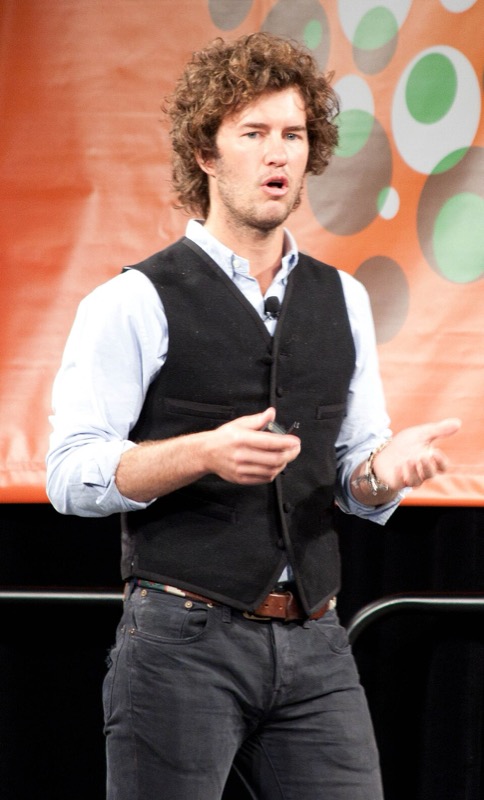
Blake Mycoskie
Founder at TOMS Shoes
About
Blake Mycoskie founded TOMS Shoes in 2006 after a trip to Argentina where he saw children without shoes, creating the 'One for One' model — for every pair purchased, a pair was donated to a child in need. The concept ignited the social enterprise movement in retail, proving that consumers would pay a premium for products with a built-in giving component. TOMS donated over 100 million pairs of shoes globally. The company later expanded into eyewear, coffee, and bags, each with its own giving model. Though Mycoskie stepped back after the brand's restructuring in 2019, his model fundamentally changed how a generation of entrepreneurs thought about embedding purpose into commerce.
Current Company
TOMS Shoes — Founder
One for One: Inventing Social Enterprise Retail
Blake Mycoskie was traveling in Argentina in 2006 when he encountered children walking miles without shoes, their feet blistered and infected. Rather than starting a charity, he launched TOMS Shoes with a simple business proposition: for every pair purchased, a pair would be donated to a child in need. The 'One for One' model was revolutionary — it turned consumption into philanthropy, allowing customers to feel good about buying shoes rather than guilty about spending money.
TOMS exploded from Mycoskie's apartment in Venice Beach to a global brand generating hundreds of millions in revenue. The company donated over 100 million pairs of shoes to children in more than 70 countries, and the model expanded to eyewear (buy a pair, fund an eye exam), coffee (buy a bag, fund clean water), and bags (buy a bag, fund safe birth services). Mycoskie had created a template that dozens of other companies would copy — Warby Parker, Bombas, and a generation of 'buy one, give one' brands.
The Hard Lessons of Purpose-Driven Business
The TOMS story is also a cautionary tale about the limitations of consumer philanthropy. Critics argued that shoe donations undermined local shoe markets in developing countries, creating dependency rather than economic development. Academic studies questioned whether the One for One model addressed symptoms rather than root causes of poverty. Mycoskie acknowledged these critiques publicly and evolved the company's giving model to include local manufacturing, job creation, and impact grants.
In 2019, TOMS went through a financial restructuring that transferred ownership to creditors, significantly diluting Mycoskie's stake. He stepped back from day-to-day operations, having learned hard lessons about balancing social mission with sustainable unit economics. The experience made him a more nuanced advocate for social enterprise — still believing that business can be a force for good, but more aware of the complexity involved in actually delivering on that promise.