- Company
- América Móvil & Grupo Carso
- Role
- Honorary Chairman
- Est. Net Worth
- $90 Billion
- Stage
- Elite
- Industry
- Finance
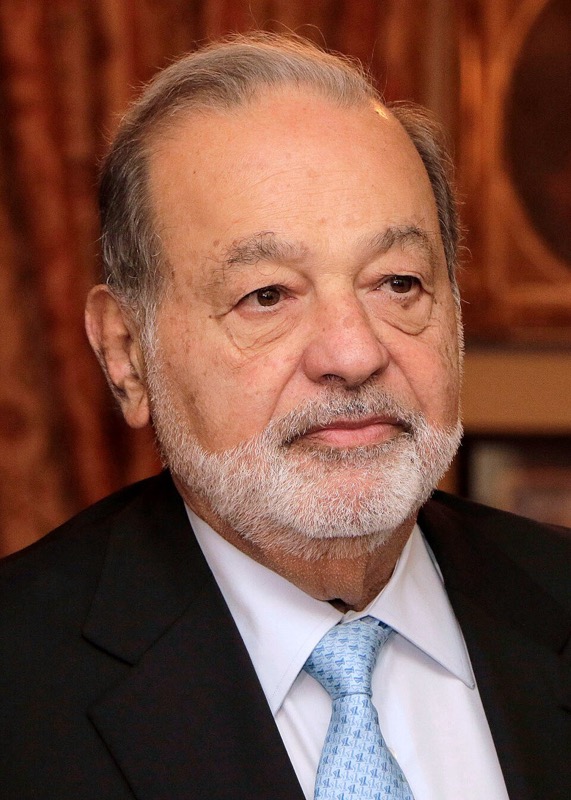
Carlos Slim
Honorary Chairman at América Móvil & Grupo Carso
About
Carlos Slim built one of the world's largest fortunes by acquiring Telmex, Mexico's national telephone company, during the country's privatization wave in 1990, then expanding it into América Móvil — Latin America's largest telecommunications provider serving over 300 million subscribers across 25 countries. Through Grupo Carso, his conglomerate spans construction, mining, retail, real estate, and media. Slim was the world's richest person from 2010 to 2013, and his business empire controls a significant share of Mexico's economic infrastructure.
Current Company
América Móvil & Grupo Carso — Honorary Chairman
The Telmex Bet That Built an Empire
Carlos Slim's defining move came in 1990, when he led a consortium to acquire Telmex — Mexico's state telephone monopoly — for $1.76 billion during the country's wave of privatizations. Critics called it a sweetheart deal; Slim called it a bet on Mexico's future. He invested heavily in modernizing the country's telephone infrastructure, then expanded into mobile through América Móvil, which grew to serve over 300 million subscribers across Latin America, making it the region's dominant telecommunications provider.
Slim's conglomerate Grupo Carso expanded into construction, mining, retail, media, and real estate — becoming so omnipresent in the Mexican economy that economists estimated his companies accounted for roughly 6% of Mexico's GDP. From 2010 to 2013, he held the title of the world's richest person, ahead of Bill Gates and Warren Buffett.
Industrial Pragmatism Over Ideology
Slim's business philosophy is defined by countercyclical investing and operational discipline. He famously buys undervalued assets during economic downturns — acquiring stakes in The New York Times Company, Saks Fifth Avenue, and numerous Latin American companies at distressed prices — then holds patiently while others panic. His personal style is notably modest for a man of his wealth: he lived in the same house for decades and is known for keeping handwritten notes rather than using a computer.
Critics argue that Slim's fortune was built on monopolistic market conditions in Mexican telecommunications, where regulatory capture kept competition limited for decades. Defenders point out that he invested billions in infrastructure that connected millions of Mexicans for the first time. Regardless of the debate, the scale of what Slim built — a fortune rivaling any in American tech — from a developing economy is without parallel.