- Company
- Harlem Children's Zone
- Role
- Founder & President Emeritus
- Est. Net Worth
- $3 Million (Est.)
- Stage
- Emerging
- Industry
- Healthcare
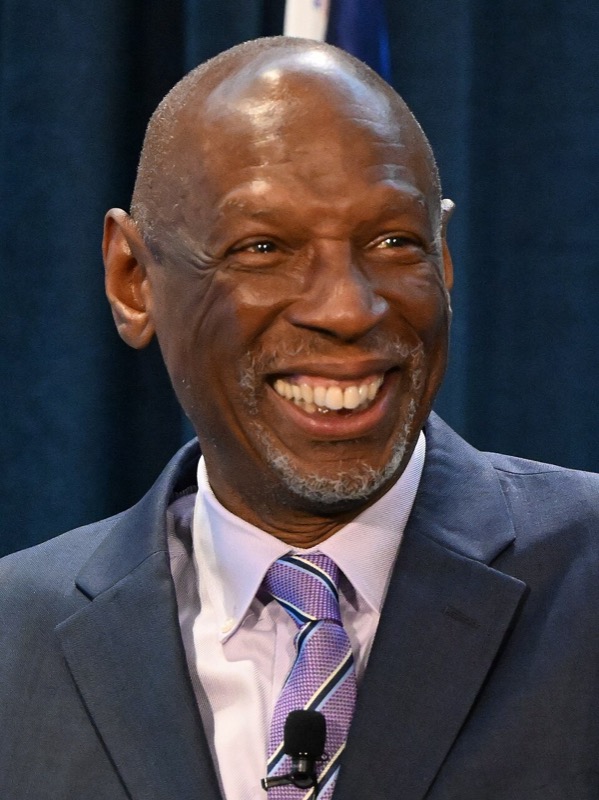
Geoffrey Canada
Founder & President Emeritus at Harlem Children's Zone
About
Geoffrey Canada founded the Harlem Children's Zone in the 1990s, creating a comprehensive cradle-to-career pipeline serving an entire 97-block neighborhood in Central Harlem. The model — combining early childhood education, charter schools, after-school programs, family support, health services, and community development — demonstrated that concentrated investment in every aspect of a child's environment could break the cycle of poverty. President Obama used the Harlem Children's Zone as a model for the federal Promise Neighborhoods program, and Canada's work has been replicated in communities across the country.
Current Company
Harlem Children's Zone — Founder & President Emeritus
The Harlem Children's Zone Model
Geoffrey Canada grew up in the South Bronx in the 1960s and 70s, navigating poverty and violence before earning degrees from Bowdoin College and the Harvard Graduate School of Education. He returned to New York determined to prove that a community-level intervention — one that wrapped children and families in support from birth through college — could break the cycle of intergenerational poverty.
The Harlem Children's Zone, which Canada built starting in the 1990s, serves a 97-block area in Central Harlem with a comprehensive pipeline: Baby College for new parents, all-day pre-K, charter schools, after-school programs, health clinics, college counseling, and job placement. The model's logic was that isolated interventions — a better school here, a health clinic there — couldn't overcome the accumulated disadvantages of growing up in concentrated poverty. Only a total community transformation could work.
From Harlem to National Model
The results drew national attention. HCZ's charter schools achieved test scores that significantly outperformed surrounding schools, college enrollment rates exceeded 90%, and the 'conveyor belt' model demonstrated that comprehensive community investment could change outcomes at scale. President Obama cited the Harlem Children's Zone as a model for his Promise Neighborhoods program, which funded replications across the country.
Canada's influence extended beyond policy. His memoir 'Fist Stick Knife Gun' and the documentary 'Waiting for Superman' brought his message to mainstream audiences, making him one of the most recognizable figures in the national conversation about poverty, education, and opportunity. He retired from HCZ's day-to-day leadership but remains president emeritus and continues to advocate for the place-based, whole-community approach to breaking the poverty cycle.