- Company
- Partners In Health
- Role
- Co-Founder
- Est. Net Worth
- $5 Million (Est.)
- Stage
- Emerging
- Industry
- Healthcare
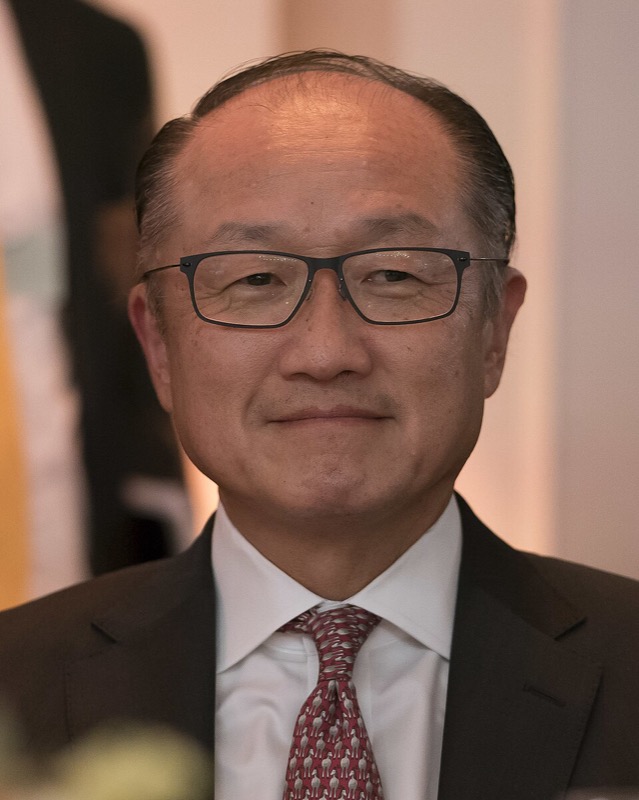
Jim Yong Kim
Co-Founder at Partners In Health
About
Jim Yong Kim co-founded Partners In Health with Paul Farmer and Ophelia Dahl in 1987, building one of the most influential global health organizations in the world. PIH demonstrated that complex diseases like multidrug-resistant tuberculosis and HIV/AIDS could be treated in resource-poor settings — a thesis that the public health establishment initially rejected. Kim later served as President of Dartmouth College and then President of the World Bank from 2012 to 2019, becoming the first physician and the first Asian American to lead the institution.
Current Company
Partners In Health — Co-Founder
Proving the Impossible in Global Health
Jim Yong Kim co-founded Partners In Health in 1987 with Paul Farmer and Ophelia Dahl, starting with a single clinic in Cange, Haiti. Their thesis — that complex diseases like multidrug-resistant tuberculosis could be treated effectively in resource-poor settings — was considered naive by the global health establishment, which argued that such treatments were too expensive and logistically impossible in developing countries.
PIH proved the skeptics wrong. By training community health workers, building local clinical capacity, and advocating for lower drug prices, the organization demonstrated that TB, HIV, and other complex diseases could be treated in the world's poorest communities. The WHO eventually adopted PIH's treatment protocols as global standards, and the organization expanded to 12 countries across three continents.
From Doctor to World Bank President
Kim served as president of Dartmouth College before being nominated by President Obama to lead the World Bank in 2012. As the first physician and the first Asian American to hold the position, Kim brought a public health lens to development economics, arguing that investments in health systems were not just humanitarian spending but economic infrastructure that enabled growth.
His tenure at the World Bank was defined by ambitious climate finance commitments and a controversial reorganization that drew criticism from staff. Kim resigned in 2019 to join Global Infrastructure Partners, a private investment firm, sparking debate about the revolving door between international development and private finance. His career arc — from clinic doctor to college president to World Bank chief to private equity — reflects the expanding range of paths available to physician-leaders in the 21st century.