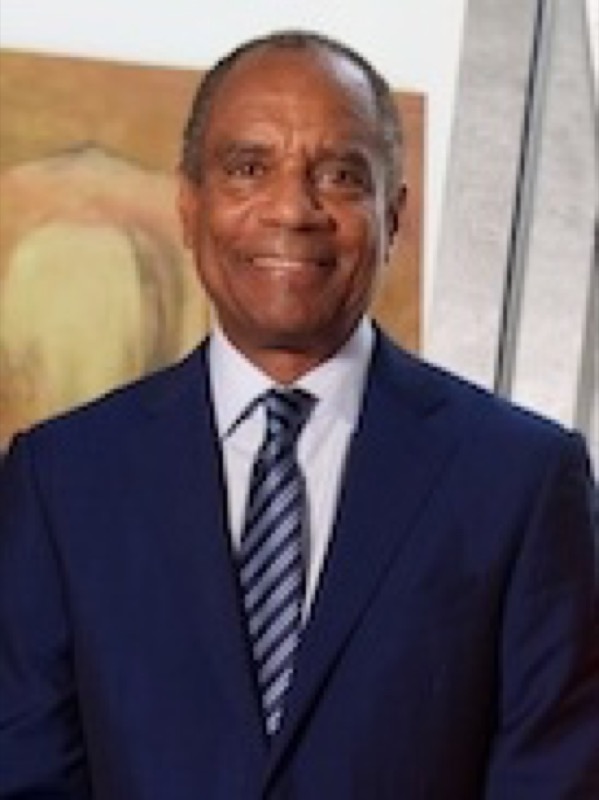
- Company
- American Express
- Role
- Former Chairman & CEO
- Est. Net Worth
- $400 Million (Est.)
- Stage
- Established
- Industry
- Finance
Kenneth Chenault
Former Chairman & CEO at American Express
About
Kenneth Chenault served as chairman and CEO of American Express from 2001 to 2018, becoming one of the first African Americans to lead a Fortune 500 company and navigating the financial services giant through the September 11 attacks, the 2008 financial crisis, and the digital transformation of the payments industry. Chenault's leadership of American Express was characterized by a relentless focus on the company's premium brand positioning — protecting and enhancing the perception of the Amex card as a symbol of financial success and reliable service — while simultaneously modernizing the company's technology and business model to compete with emerging fintech competitors. Under his tenure, American Express's market capitalization grew from $37 billion to over $80 billion. After retiring from American Express, Chenault became chairman and managing director of General Catalyst, a venture capital firm, where he has focused on investing in technology companies and mentoring the next generation of diverse business leaders.
Current Company
American Express — Former Chairman & CEO
Leading Through Crisis at American Express
Kenneth Chenault's leadership of American Express was defined by his ability to navigate the company through two of the most severe crises in modern business history while simultaneously repositioning it for long-term growth. He became CEO in January 2001, just months before the September 11 attacks destroyed American Express's headquarters adjacent to the World Trade Center, killed eleven employees, and threw the travel and financial services industries into chaos. Chenault's response — immediately establishing a $1 million relief fund for victims' families, personally calling the families of the employees who died, and rallying the company's workforce to continue operations from temporary locations — established him as a leader of exceptional empathy and decisiveness at a moment when both were desperately needed.
Seven years later, the 2008 financial crisis posed an even more existential threat: American Express's business model depended on consumer spending, which collapsed as the economy entered recession, and the company's exposure to credit losses threatened its financial stability. Chenault made the then-controversial decision to convert American Express from a travel and entertainment company into a bank holding company — a move that gave it access to federal bailout funds and deposit-taking capabilities that provided a crucial lifeline during the crisis. He then spent the following years rebuilding the company's balance sheet, investing in digital payments technology, and strengthening the premium brand positioning that differentiated American Express from Visa and Mastercard.
Breaking Barriers and Building the Next Generation
Chenault's significance extends beyond his business achievements to his role as a symbol of what is possible for Black executives in corporate America. When he became CEO of American Express in 2001, he was one of only a handful of African Americans leading Fortune 500 companies — a distinction that carried enormous symbolic weight and that Chenault navigated with a grace that earned the respect of board members, employees, and peers across the business world. He has spoken candidly about the additional pressures that come with being a Black leader in spaces where Black people are rarely seen at the highest levels — the constant awareness that his performance would be interpreted not just as an individual achievement but as evidence for or against the capabilities of an entire community.
After stepping down from American Express in 2018, Chenault joined General Catalyst as chairman and managing director, bringing his decades of corporate leadership experience to the venture capital world. His focus at General Catalyst has been on investing in companies that can transform large, incumbent industries — healthcare, financial services, and education — and on mentoring a diverse group of entrepreneurs and executives. Chenault has argued that the venture capital industry's lack of diversity is not just a moral failing but a business liability: firms that invest only in founders who look and think like their partners miss the vast majority of the world's entrepreneurial talent. His post-corporate career represents an effort to use his credibility, networks, and experience to accelerate the diversification of American business leadership.