- Company
- Under Armour
- Role
- Founder & Executive Chairman
- Est. Net Worth
- $2 Billion
- Stage
- Elite
- Industry
- Retail
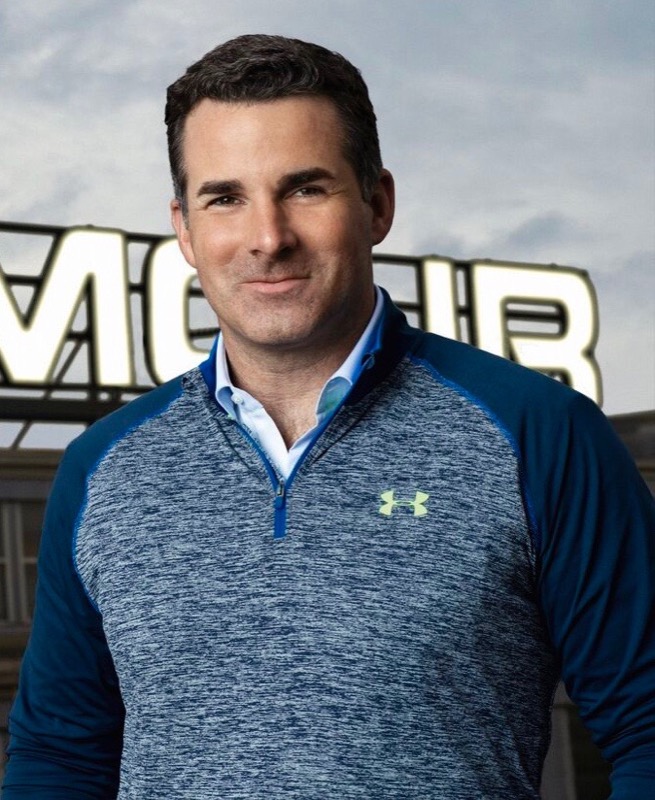
Kevin Plank
Founder & Executive Chairman at Under Armour
About
Kevin Plank founded Under Armour in 1996 from his grandmother's basement in Washington, D.C., with a simple insight: cotton T-shirts worn under football pads got soaked with sweat and stayed heavy throughout practice, and a moisture-wicking synthetic fabric could solve that problem. Starting by selling shirts out of the trunk of his car to college athletic programs up and down the East Coast, Plank built Under Armour into a $5 billion global performance apparel brand that challenged Nike and Adidas for dominance in athletic wear. His return as CEO in 2024 after a five-year hiatus signaled the company's recognition that the founder's intensity and brand vision were irreplaceable — even as the company faces the challenge of recapturing the insurgent energy that defined its rise while operating at a scale that demands different leadership skills.
Current Company
Under Armour — Founder & Executive Chairman
The Entrepreneur Who Built a Brand from the Trunk of His Car
Kevin Plank's founding story has become one of the most frequently cited entrepreneurial origin tales in American business: a former University of Maryland football player who noticed that the cotton T-shirts worn under his shoulder pads became soaked with sweat and stayed heavy throughout practice, and who used that observation to create a moisture-wicking synthetic alternative that would eventually become the foundation of a $5 billion global brand. What gets less attention is the sheer hustle of Plank's early sales strategy — driving up and down the East Coast in a Ford Explorer, selling shirts to equipment managers at college athletic programs, sleeping in his car, and reinvesting every dollar of revenue into the next production run. Under Armour's first big break came when a feature in USA Today triggered $1 million in orders overnight, overwhelming the tiny operation but proving that the market for performance apparel was far larger than anyone had imagined.
Plank's competitive intensity — teammates at Maryland described him as someone who would sprint through a brick wall if he thought there was a first down on the other side — translated directly into Under Armour's brand identity. The company's early marketing was aggressive, confrontational, and deeply rooted in the ethos that athletes should feel invincible in their gear. The 'Protect This House' campaign became one of the most memorable sports marketing slogans of its era, and Under Armour's rapid expansion from compression shirts to footwear to connected fitness technology reflected Plank's conviction that the brand could compete with Nike and Adidas across every category, not just the niche where it started.
The Return of the Founder and Under Armour's Next Chapter
Plank's decision to step back from the CEO role in 2020 and his return in 2024 tells a story that has become increasingly common in founder-led companies: the recognition that professional management, however competent, cannot replicate the founder's visceral connection to the brand's identity and purpose. During Plank's absence, Under Armour struggled with declining North American sales, brand dilution through excessive discounting, and a loss of the insurgent energy that had defined the company's rise. His return was accompanied by a strategic reset that prioritized brand heat over revenue growth — pulling back from off-price channels, reinvesting in premium product, and reconnecting with the serious athletes who had made Under Armour relevant in the first place.
The challenge Plank faces is significant: Under Armour must recapture its identity as a brand for the hardest-working athletes in the gym while operating at a scale that demands the discipline and efficiency of a mature corporation. It is a tension that every founder-led company eventually confronts — the energy that builds a brand from scratch is not always the same energy that sustains it at scale. But Plank's track record suggests that if anyone can thread that needle, it is someone who built a billion-dollar company from a sweaty T-shirt and the conviction that he could outwork everyone in the room.