- Company
- The Longevity Fund
- Role
- Founder & Partner
- Est. Net Worth
- $5 Million (Est.)
- Stage
- Emerging
- Industry
- Healthcare
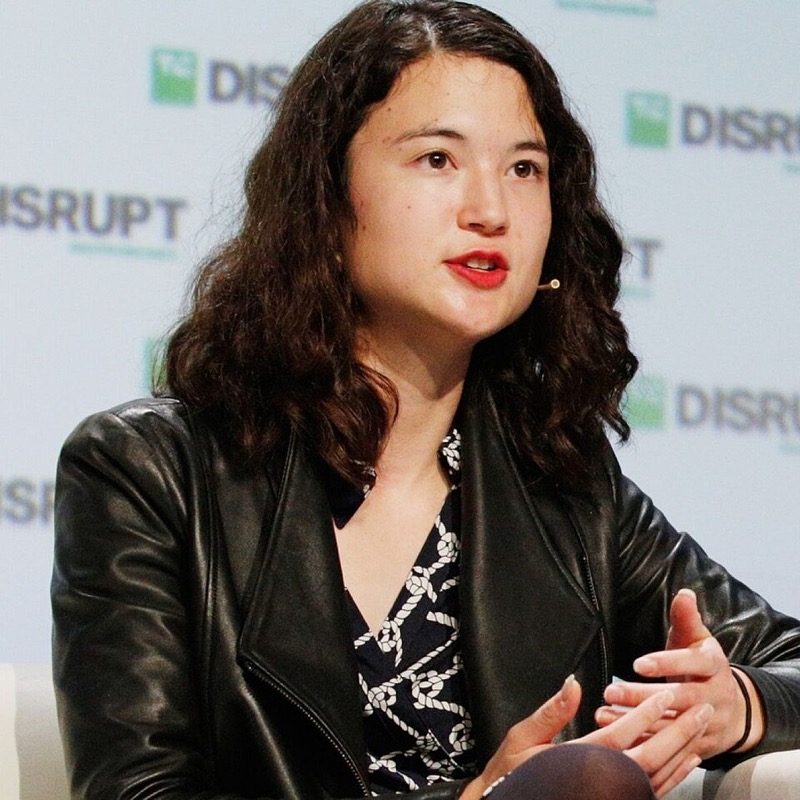
Laura Deming
Founder & Partner at The Longevity Fund
About
Laura Deming founded The Longevity Fund at age 17 to invest in companies working to extend the healthy human lifespan. She began researching aging biology at age 12 in a lab at MIT, became a Thiel Fellow at 16, and has since become the most prominent venture capitalist focused exclusively on longevity science and anti-aging therapeutics.
Current Company
The Longevity Fund — Founder & Partner
The Prodigy Who Bet on Longevity
Laura Deming began researching the biology of aging at age 12, working in Cynthia Kenyon's lab at UCSF studying the genetics of lifespan in roundworms. By 14, she had enrolled at MIT. At 16, she left MIT to become one of the youngest-ever Thiel Fellows, using the $100,000 grant to found The Longevity Fund — a venture capital firm dedicated exclusively to funding companies working to extend the healthy human lifespan.
Laura Deming's bet was that aging is not an inevitable decline but a biological process that can be understood, slowed, and potentially reversed through science. At a time when most investors dismissed longevity research as science fiction, Deming saw a massive and underinvested opportunity. She raised her first fund when most people her age were in college, and she has since deployed capital into dozens of companies working on senolytics, gene therapy, cellular reprogramming, and other approaches to extending healthspan.
Venture Capital at the Edge of Biology
The Longevity Fund has backed companies across the spectrum of aging biology, from early-stage research platforms to clinical-stage therapeutics. Laura Deming's ability to evaluate cutting-edge biology and translate it into investment theses has made her one of the most respected voices in longevity science — a field that has grown from a niche research interest into a multibillion-dollar industry.
As Founder and Partner, Laura Deming operates at the intersection of biology, technology, and capital allocation — identifying which scientific breakthroughs have the best chance of becoming therapies and which teams have the best chance of delivering them. Her career is a reminder that some of the most important companies of the next century may be built by people who start thinking about the biggest problems while everyone else is still in high school.