- Company
- Institute for Systems Biology
- Role
- Co-Founder & Professor Emeritus
- Est. Net Worth
- $8 Million (Est.)
- Stage
- Emerging
- Industry
- Healthcare
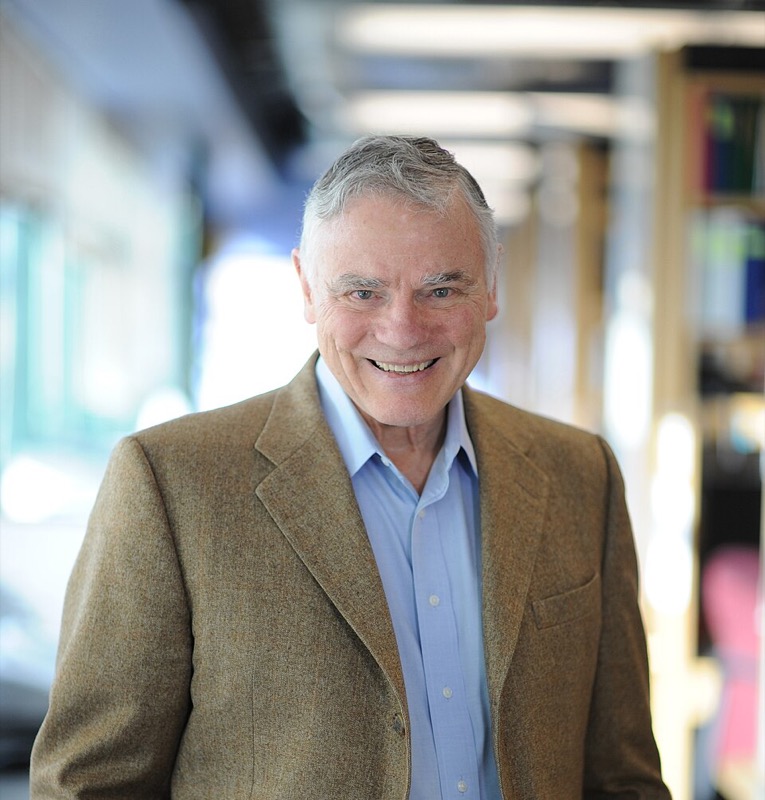
Leroy Hood
Co-Founder & Professor Emeritus at Institute for Systems Biology
About
Leroy Hood is one of the most prolific inventor-scientists in the history of biotechnology — a molecular biologist whose inventions have generated entire industries and whose vision of 'P4 medicine' (predictive, preventive, personalized, and participatory) is reshaping how the world thinks about healthcare. Hood co-invented four instruments that revolutionized biology: the automated DNA sequencer (which made the Human Genome Project possible), the DNA synthesizer, the protein sequencer, and the protein synthesizer. These four machines — sometimes called the 'four engines of biology' — collectively enabled the genomics revolution and the modern biotechnology industry. Hood co-founded the Institute for Systems Biology in 2000 to pursue his vision of a new kind of medicine — one that uses data from genomics, proteomics, and other '-omics' disciplines to predict and prevent disease rather than waiting to treat it after symptoms appear.
Current Company
Institute for Systems Biology — Co-Founder & Professor Emeritus
The Four Machines That Changed Biology
Leroy Hood's co-invention of four instruments — the automated DNA sequencer, the DNA synthesizer, the protein sequencer, and the protein synthesizer — represents one of the most consequential bursts of technological innovation in the history of science. These four machines, developed between the late 1970s and the early 1990s, collectively created the technological foundation for the genomics revolution: the automated DNA sequencer made the Human Genome Project possible by accelerating DNA sequencing from a laborious manual process to an automated, high-throughput operation; the DNA and protein synthesizers enabled the production of custom genetic and protein sequences that are the basis of modern biotechnology; and the protein sequencer allowed researchers to decode the amino acid sequences of proteins, opening the door to understanding how genes translate into biological function.
Hood's genius was not just in the individual inventions but in his recognition that biology was transitioning from an observational science to an information science — that the fundamental challenge was no longer seeing biological phenomena but processing, analyzing, and interpreting the enormous volumes of data that modern instruments could generate. This insight drove his career-long advocacy for cross-disciplinary collaboration, bringing together biologists, chemists, engineers, and computer scientists in ways that were unprecedented in academic science and that produced innovations that no single discipline could have achieved alone.
Systems Biology and the Promise of P4 Medicine
Hood's founding of the Institute for Systems Biology in 2000 represented a second act that was, in its ambition, as transformative as his work in instrument development. Systems biology — the study of biological organisms as integrated systems rather than collections of individual genes, proteins, and pathways — required not just new science but new institutions: academic departments were organized around individual disciplines, and the National Institutes of Health funded research that was similarly siloed. Hood's institute was designed from the ground up to break these barriers, housing biologists, computer scientists, engineers, and physicians in a single organization where cross-disciplinary collaboration was not just encouraged but structurally unavoidable.
His vision of P4 medicine — predictive, preventive, personalized, and participatory — describes a healthcare system that uses genomic, proteomic, and metabolomic data to predict disease risk years or decades before symptoms appear, prevent disease through targeted interventions tailored to each individual's unique biology, and engage patients as active participants in their own health management rather than passive recipients of medical care. While the full realization of this vision remains years away, Hood's scientific contributions have laid the groundwork: the tools he invented made it possible to sequence individual genomes at scale, and the analytical frameworks he developed at ISB have shown how multi-omic data can be integrated to provide a comprehensive picture of individual health. Now in his late eighties, Hood continues to push the boundaries of what biology and medicine can achieve.