- Company
- Ariel Investments
- Role
- Co-CEO & President
- Est. Net Worth
- $800 Million
- Stage
- Established
- Industry
- Finance
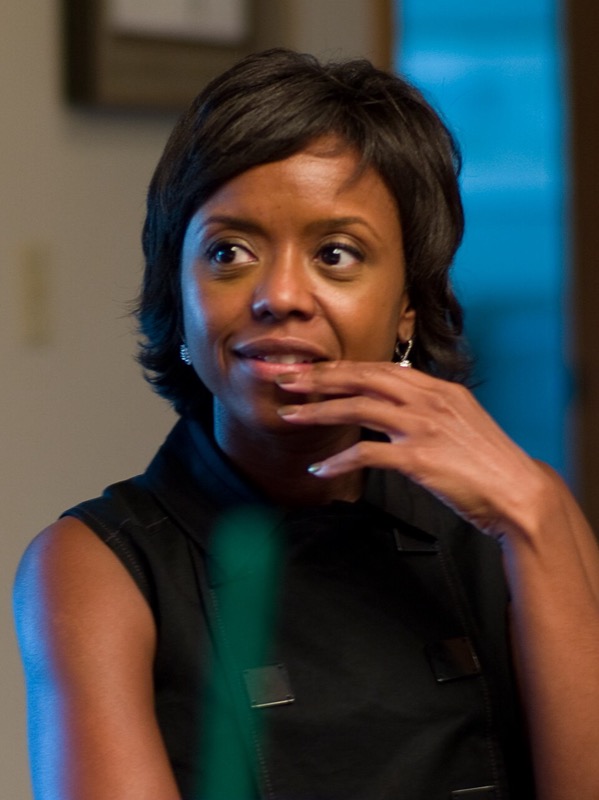
Mellody Hobson
Co-CEO & President at Ariel Investments
About
Mellody Hobson joined Ariel Investments as an intern after college and rose to become co-CEO and president of one of the largest African American-owned investment firms in the United States, managing over $15 billion in assets. She also serves as chairwoman of the board of Starbucks Corporation, making her one of the highest-profile Black corporate directors in America. Hobson has been a leading advocate for financial literacy and diversity in corporate boardrooms, delivering a widely viewed TED talk on being 'color brave' rather than 'color blind' in conversations about race and opportunity.
Current Company
Ariel Investments — Co-CEO & President
From Princeton Intern to Wall Street Power Broker
Mellody Hobson grew up on the South Side of Chicago, the youngest of six children raised by a single mother who struggled financially. She interned at Ariel Investments during college at Princeton and joined full-time after graduation, eventually rising to become co-CEO and president of one of the most prominent African American-owned investment firms in the country. Ariel manages over $15 billion in assets with a long-term, patient value-investing philosophy inspired by Warren Buffett.
Hobson's influence extends far beyond Ariel. She serves as chairwoman of the board of Starbucks Corporation and has served on the boards of JPMorgan Chase and Estée Lauder. In each role, she has been a vocal advocate for diversity in corporate governance, arguing that diverse boards make better decisions and that the absence of Black and brown voices in corporate boardrooms is not just a moral failure but a business one.
Color Brave, Not Color Blind
Hobson's 2014 TED talk, 'Color Blind or Color Brave?,' argued that the popular aspiration to be 'color blind' — to not see race — was counterproductive, because it prevented honest conversations about the systemic barriers that Black Americans face in education, employment, and wealth accumulation. She advocated instead for being 'color brave': acknowledging race, discussing it openly, and taking deliberate action to create opportunity.
The talk has been viewed millions of times and became a framework that corporations adopted in their diversity initiatives. Hobson's effectiveness as an advocate stems from her dual credibility: she speaks as both a successful businesswoman who has navigated predominantly white institutions and as someone who grew up without the advantages her current position affords, giving her arguments a practical authority that purely academic voices often lack.