- Company
- Children's Hospital of Philadelphia
- Role
- Director, Vaccine Education Center
- Est. Net Worth
- $5 Million (Est.)
- Stage
- Emerging
- Industry
- Healthcare
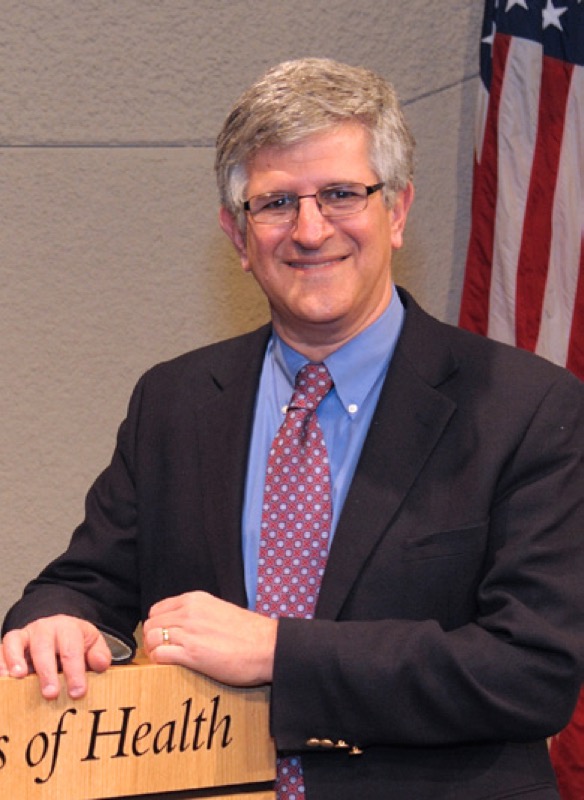
Paul Offit
Director, Vaccine Education Center at Children's Hospital of Philadelphia
About
Paul Offit is the co-inventor of RotaTeq, the rotavirus vaccine that has prevented millions of cases of severe childhood diarrhea worldwide and is estimated to save hundreds of lives every day. As director of the Vaccine Education Center at Children's Hospital of Philadelphia, Offit has become the nation's most prominent and outspoken defender of vaccination — a role that has made him both one of the most respected voices in pediatric medicine and the target of sustained harassment from the anti-vaccine movement. His books, including 'Deadly Choices' and 'Do You Believe in Magic?,' combine rigorous science with accessible writing to combat medical misinformation. Offit's willingness to engage publicly with vaccine skeptics when many of his colleagues preferred to avoid the controversy has made him an essential figure in the ongoing battle to maintain public trust in one of medicine's most effective interventions.
Current Company
Children's Hospital of Philadelphia — Director, Vaccine Education Center
The Inventor Who Became Vaccination's Most Prominent Defender
Paul Offit's co-invention of RotaTeq, the rotavirus vaccine licensed in 2006, addressed one of the leading causes of childhood death in the developing world — severe diarrheal disease caused by rotavirus infection, which killed approximately 500,000 children under five every year before the vaccine's introduction. The development process took 26 years, from initial laboratory research in the late 1970s through a massive clinical trial involving over 70,000 infants, and the result was a vaccine that is now part of the standard childhood immunization schedule in over 100 countries. The impact has been transformative: rotavirus deaths have declined by approximately 50 percent in countries where the vaccine is widely used, saving hundreds of thousands of lives annually.
But Offit's public profile extends far beyond his role as a vaccine inventor. As director of the Vaccine Education Center at Children's Hospital of Philadelphia, he has become the nation's most visible and vocal defender of childhood vaccination — a role that has placed him at the center of one of the most contentious public health debates of the modern era. Offit's willingness to engage directly with vaccine skeptics, to appear on hostile media platforms, and to debunk misinformation with patience and scientific rigor has made him both a trusted authority for parents seeking reliable information and a target for the anti-vaccine movement, which has subjected him to sustained harassment and death threats.
The Battle Against Medical Misinformation
Offit's books — including 'Deadly Choices: How the Anti-Vaccine Movement Threatens Us All,' 'Do You Believe in Magic? Vitamins, Supplements, and the Alternative Medicine Industry,' and 'Pandora's Lab: Seven Stories of Science Gone Wrong' — combine rigorous scientific analysis with accessible narrative to combat the spread of medical misinformation. His writing is distinguished by an unusual combination of technical expertise and empathy for the anxieties that drive people toward unproven treatments and away from evidence-based medicine. Rather than dismissing vaccine-hesitant parents as ignorant or irrational, Offit has consistently argued that their concerns reflect genuine fear for their children's safety — fear that is being exploited by activists and charlatans who profit from undermining trust in mainstream medicine.
His advocacy has become increasingly urgent as medical misinformation has metastasized from fringe websites into mainstream politics and media. Offit has argued that the erosion of public trust in vaccines represents not just a public health crisis but a broader epistemological crisis — a breakdown in society's ability to distinguish reliable evidence from compelling narrative. His proposed solutions focus on improving science education, reforming how clinical trial data is communicated to the public, and holding media platforms accountable for amplifying misinformation. Now in his seventies, Offit shows no signs of retreating from the public square, continuing to publish, speak, and testify before Congress with the same conviction that has defined his career: that vaccines are among the greatest achievements of human civilization, and that defending them is worth whatever personal cost that defense entails.