- Company
- Kogi BBQ & LocoL
- Role
- Co-Founder & Chef
- Est. Net Worth
- $5 Million (Est.)
- Stage
- Emerging
- Industry
- Hospitality
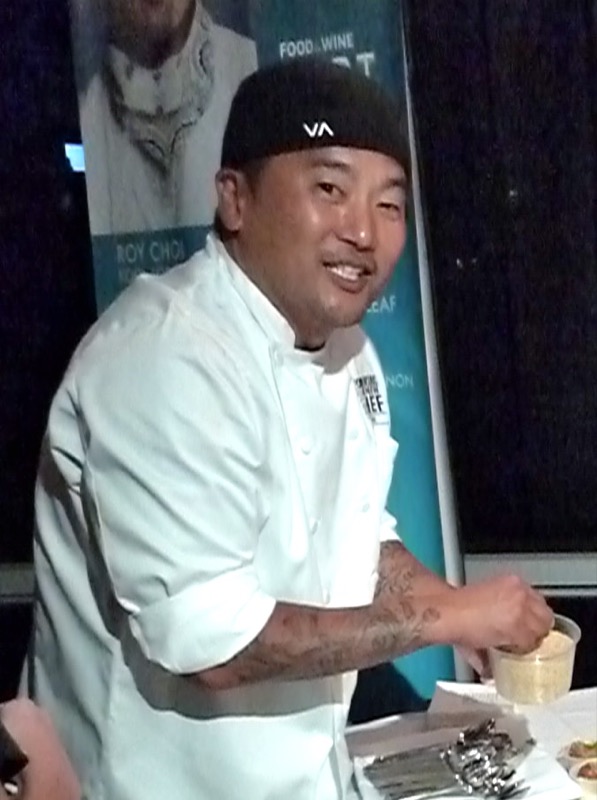
Roy Choi
Co-Founder & Chef at Kogi BBQ & LocoL
About
Roy Choi launched the Kogi BBQ food truck in Los Angeles in 2008, fusing Korean barbecue with Mexican street food and using Twitter to announce locations — pioneering the gourmet food truck movement that swept American cities. Kogi proved that world-class food didn't need a dining room, and Choi became one of the most influential chefs in America. He co-founded LocoL with Daniel Patterson, an ambitious attempt to bring chef-quality fast food to food deserts in Watts and Oakland. Though LocoL ultimately closed, Choi's work reshaped the conversation about food access, culinary innovation, and who fine dining is for.
Current Company
Kogi BBQ & LocoL — Co-Founder & Chef
The Food Truck That Changed American Dining
Roy Choi launched the Kogi BBQ truck in November 2008 with chef-partner Mark Manguera, serving Korean-Mexican fusion tacos from a truck that announced its location via Twitter. The concept — short rib tacos, kimchi quesadillas, spicy pork burritos — was born from Choi's own identity as a Korean American who grew up in LA's multiethnic food landscape. Lines stretched around blocks, and within months Kogi had spawned hundreds of gourmet food truck imitators across the country.
Kogi proved three things simultaneously: that world-class food could be served from a truck, that social media could replace a fixed address, and that the most exciting American cooking was happening at the intersection of immigrant cuisines — not in white-tablecloth dining rooms. Choi became the reluctant face of a food truck revolution that permanently changed how Americans think about where good food comes from.
Bringing Fine Dining to Food Deserts
In 2016, Choi co-founded LocoL with Michelin-starred chef Daniel Patterson — an attempt to bring chef-quality fast food to neighborhoods like Watts and Oakland's Uptown district, where residents had access to liquor stores and fast food chains but not to the kind of food that Choi and Patterson served in their high-end restaurants. Burgers, bowls, and agua frescas made with real ingredients, priced at fast food levels.
LocoL ultimately closed, but the project's ambition — to challenge the systemic inequity of America's food landscape — established Choi as more than a celebrity chef. He continued to advocate for food justice, mentoring young cooks from underserved backgrounds and speaking publicly about his own struggles with addiction and depression in the high-pressure restaurant industry. Choi represents a generation of chefs who see cooking as social practice, not just craft.