- Company
- House of Waris
- Role
- Founder & Creative Director
- Est. Net Worth
- $5 Million (Est.)
- Stage
- Emerging
- Industry
- Retail
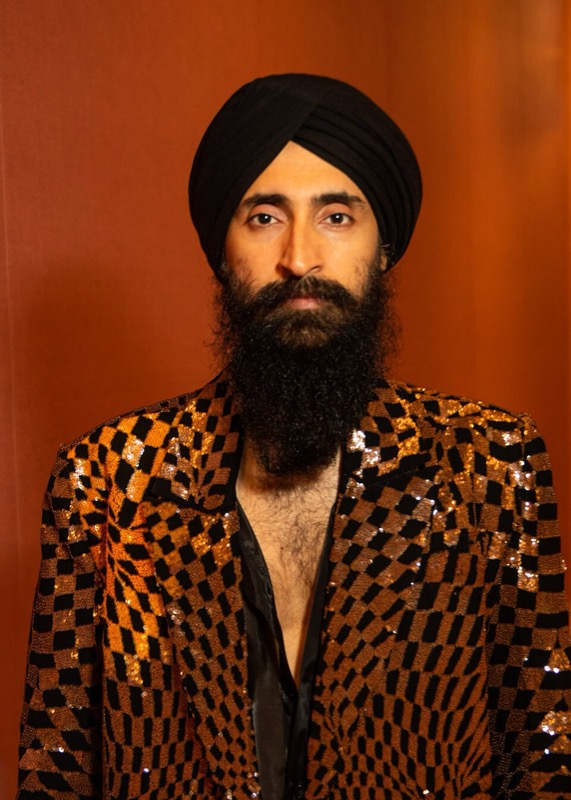
Waris Ahluwalia
Founder & Creative Director at House of Waris
About
Waris Ahluwalia founded House of Waris in 2006, a luxury jewelry and lifestyle brand that blends contemporary design with ancient Indian craftsmanship and ethically sourced materials. The brand's fine jewelry has been carried by Barneys New York, Dover Street Market, and Colette in Paris. Ahluwalia is also an actor and model who has appeared in Wes Anderson films, Gap campaigns, and on international fashion covers — using his cultural visibility to advocate for inclusivity in fashion and challenge stereotypes about Sikh identity in mainstream media.
Current Company
House of Waris — Founder & Creative Director
Luxury Jewelry as Cultural Bridge
Waris Ahluwalia founded House of Waris in 2006, creating a luxury jewelry line that drew on Indian craftsmanship traditions — handwork, symbolism, and material honesty — while speaking the visual language of contemporary New York design. The brand's fine jewelry and tea collection were carried by Barneys New York, Colette in Paris, and Dover Street Market, establishing Ahluwalia as a rare figure who straddled the worlds of high fashion, independent design, and cultural advocacy.
Each House of Waris piece is produced using traditional techniques — hand-setting, lost-wax casting, artisanal metalwork — by craftspeople whose skills have been passed through generations. Ahluwalia's design philosophy treats jewelry not as accessory but as talisman: objects imbued with intention, meant to carry meaning beyond their material value.
Visibility as Activism
Ahluwalia's visibility as a turbaned Sikh man in fashion, film, and advertising — appearing in Wes Anderson's films, Gap campaigns, and on magazine covers worldwide — made him an involuntary but effective advocate for representation in industries where Sikh identity had been nearly invisible. When Aeromexico removed him from a flight over his turban in 2016, his public response sparked international conversation about discrimination and led to policy changes at the airline.
Through House of Waris and his broader cultural presence, Ahluwalia has built a model for how a small, independent luxury brand can punch above its weight by connecting product to identity, craftsmanship to storytelling, and commerce to cultural commentary. In an industry dominated by conglomerates, his brand survives on the strength of a singular creative vision and a refusal to dilute it.